商品券の現金化ではクレジットカード購入の条件の重要性は然程高くない?
商品券の現金化で最重要とも言えるのは「有効期限内で未使用(もしくはアカウント未登録)の商品券を用意している」事です。
この条件さえクリア出来れば現金で買っていようがクレジットカードで買っていようが影響は殆ど無いです。
しかし、クレジットカード現金化前提での商品券の現金化を検討する場合には既に紹介した条件に加えて「確実にクレジットカードで購入可能な商品券及び購入場所の確保」も条件としては必要となります。
すでに商品券をお持ちの方はこちらのサイトををご覧ください。
現金化比較
商品券現金化の流れは商品券によって違う?
基本的には金券ショップもしくは専門の買取サイトの利用で現金化を行います。
金券ショップ系での買取の場合
金券ショップ系の買取業者で商品券現金化をする場合、店頭買取が基本となります。
店頭買取では買取対象としている商品券を直接持ち込んでその場で買取となりますので、即日現金化は確実に可能です。
その際に買取依頼をしようと思っている金券ショップが高価買取を行っている商品券もチェックしておくのがおすすめです。
高価買取対象とある以上は他の商品券よりも高額での買取は保証されていると判断も出来るので、買う前であれば先に金券ショップの買取率等はチェックしてから高価買取が出来そうな商品券を買いましょう。
買取サイトの場合
買取サイトの場合は買取希望の商品券によって扱いが違います。
コードが書かれている電子マネー系ギフト券であればコード番号をメールもしくは申し込みフォームに添付して買取が殆どですが、実物が手元にある商品券の場合だと郵送買取の対応になる事もあります。
郵送買取の場合は送料や振込手数料は業者負担なので無料な場合が多いですが、郵送する以上買取完了までに数日~1週間程度の時間を要します。
その代わり、近くに金券ショップが無くても買取での現金化は出来るメリットはあります。
クレジットカードで購入可能な商品券は何がおすすめ?
「クレジットカードで商品券の購入はカード会社的に換金目的での利用を防ぐ為未対応としている事もある」的な意見も度々見られますが、実際はクレジットカードで購入可能な商品券は多いです。
少なくとも商品券を販売しているオンラインショップであればカード決済に対応しているのが殆どです。
購入自体は簡単なので問題無しですが、現金化を前提であればおすすめの商品券はあります。
電子マネー系ギフト券
Amazonギフト券等ネットでの買い物やサービスを使う際のお支払いに使える電子マネー系ギフト券はクレジットカードでの購入に対応しています。
その中でもAmazonギフト券のメールタイプは買取対応している買取サイトも多いので、現金化をするのであれば候補として挙がりやすいです。
全国共通商品券
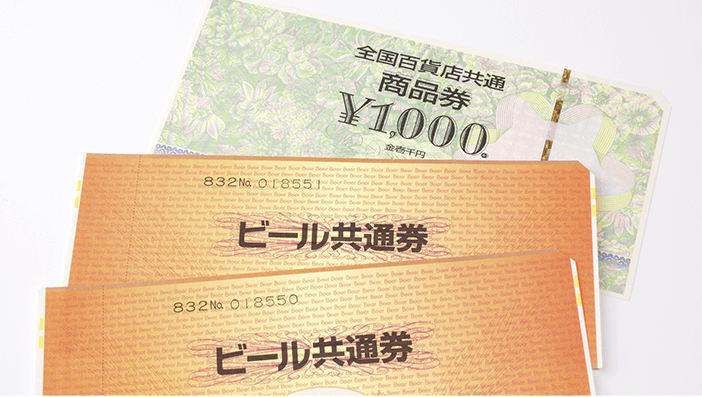
金券ショップ等で店頭買取での現金化を検討しているのであれば、全国共通商品券がおすすめです。
全国共通商品券は全国の百貨店等で使う事が出来る商品券ですので、金券ショップとしても買取する価値の高い商品と認識されており、高価買取対象にもなりやすい商品です。
現金化前提での購入の注意点は?
現金化前提で商品券を購入する際にはカード会社から換金目的での利用ではないか?と確認の連絡が入る事もあります。
実際は大金の買い物が短期間で連続で続いてる等で無ければ入る事は滅多にありません。
しかし、注意点も全く無い訳ではありません。
買取サイトだと未対応なタイプが発生する場合が多い
こちらは主にAmazonギフト券等電子マネー系ギフト券に多い注意点です。
買取サイトで買取対象としている電子マネー系ギフト券はネットからでも購入可能なメールタイプを前提としている所が多く、コンビニやスーパー等で販売しているカードタイプや印刷タイプは反対に買取未対応もしくは買取価格がメールタイプよりも低めに設定されている事が多いです。
未対応だと額面が大金でもタイプ違いは理由に断られるので、買取対応しているタイプの確認も必要です。
カードによっては購入出来ない場合もある
商品券をカード購入は出来ますが、全てのクレジットカードが買えるとは限りません。
ブランド付き商品券だと同じブランドのカードのみ購入可能(例:JCBギフトカードはJCBのクレジットカードのみ対応)となる事も多く、カードは持っていてもブランドが違うので買えないとなる事もあります。
また、販売場所によっては現金もしくは振込対応のみのお支払いとしている場合もあるので、カードでの購入すら出来ないとなる事もあります。
カード購入で商品券現金化も出来るが手間は多くなるのは避けられない
クレジットカードで購入した商品券を利用しての現金化は可能である事は結論として変わりませんが、手間に関しては多くなります。
特にカードで購入可能な商品券と購入場所の確保は最重要です。
これをクリアしない限りは現金化は出来ないので、先ずは確実に買う事が出来る環境の確保を努めておきましょう。